

Accent pieces account for 70% of a room’s personality while representing only 15 to 20% of your decorating budget. That’s a remarkable return on a small investment. Most of us spend the bulk of our energy choosing sofas, beds, and dining tables, yet it’s the vases, lamps, and sculptural objects that guests actually notice and remember. This guide walks you through exactly what accent pieces are, how to use the core design rules, how to budget smartly, and how to find truly unique pieces that reflect your personality or make an unforgettable gift.
Table of Contents
- What is an accent piece and why does it matter?
- The core design rules: Color, scale, and placement
- Maximizing personality without clutter: The 80/20 budget rule and style balance
- Choosing unique accent pieces for individuality and gifting
- What most people miss about accent pieces in home decor
- Curate your space with unique accent pieces from My House by Marine
- Frequently asked questions
Key Takeaways
| Point | Details |
|---|---|
| Accent creates impact | Accent pieces define a room’s personality and draw the eye far more than large furniture. |
| Follow design rules | Applying the 60-30-10 color rule and considering scale ensure accents pop instead of overwhelm. |
| Invest wisely | Spend 80% on key anchors and 20% on trendier accents for high style without blowing your budget. |
| Go for unique finds | Choosing handcrafted or vintage accent pieces adds individuality and makes perfect gifts. |
| Less is more | Careful curation beats clutter—one statement piece or layered subtleties make spaces feel intentional. |
What is an accent piece and why does it matter?
Think of your home like a well-cooked meal. The furniture is the main course, solid and necessary. But the accent pieces? They’re the seasoning. Without them, everything tastes a little flat.
An accent piece is any decorative object that isn’t primarily functional. It’s not your sofa or your dining table. It’s the sculptural bowl on your coffee table, the colorful lamp in the corner, the tray that holds nothing but looks intentional. These are the items that add personality, visual interest, texture, and depth to a space without overwhelming it.
Common accent pieces include:
- Vases and vessels (ceramic, glass, handblown)
- Decorative trays and bowls
- Statement lamps and candleholders
- Sculptural objects and figurines
- Art pieces and framed prints
- Throws, pillows, and textured fabrics
Each of these serves a specific design purpose. A tall vase draws the eye upward and adds height. A textured bowl on a shelf creates tactile interest. A well-placed lamp softens harsh overhead lighting and creates warmth. These aren’t random additions. They’re intentional choices that shape the mood of a room.
“The right accent piece doesn’t just fill a corner. It tells a story about who lives there.”
What makes accent pieces so powerful is their flexibility. You can swap them out seasonally, experiment with color, or try a bold style without committing to a full room overhaul. A set of colorful vases can completely shift the energy of a living room in minutes. That kind of low-risk, high-reward decorating is what makes accent pieces the secret weapon of every well-styled home.
The core design rules: Color, scale, and placement
Now that we know how important accent pieces are, understanding the design rules ensures you use them to their full effect. Think of these rules as your recipe. You don’t have to follow them rigidly, but knowing them gives you the confidence to break them intentionally.
The most useful framework is the 60-30-10 color rule: 60% of a room uses your dominant color (walls, large furniture), 30% uses a secondary color (rugs, curtains, chairs), and 10% is your accent color. That 10% is where your accent pieces live. It’s a small slice, but it carries enormous visual weight.
| Design rule | What it means | How to apply it |
|---|---|---|
| 60-30-10 color rule | Dominant, secondary, and accent colors in set proportions | Use bold accent colors in small doses via vases, lamps, or bowls |
| Rule of Three | Group items in odd numbers for natural balance | Arrange three objects of varying heights on a shelf |
| Layering | Combine different textures, heights, and materials | Mix a glass piece, a ceramic bowl, and a wooden tray together |
Scale matters just as much as color. An oversized vase in a tiny entryway crowds the space. A tiny figurine on a large mantle disappears. Before you buy, measure your surface area and visualize proportions. A good rule of thumb: your accent piece should be no taller than two-thirds the height of the surface it sits on.
Placement is where many people go wrong. Here’s a simple process to follow:
- Identify the room’s natural focal point (fireplace, window, TV wall).
- Place your boldest accent piece near that focal point to reinforce it.
- Use secondary accents to guide the eye around the room.
- Keep traffic flow clear. Nothing on the floor unless it’s intentional.
- Step back and assess from the room’s entry point.
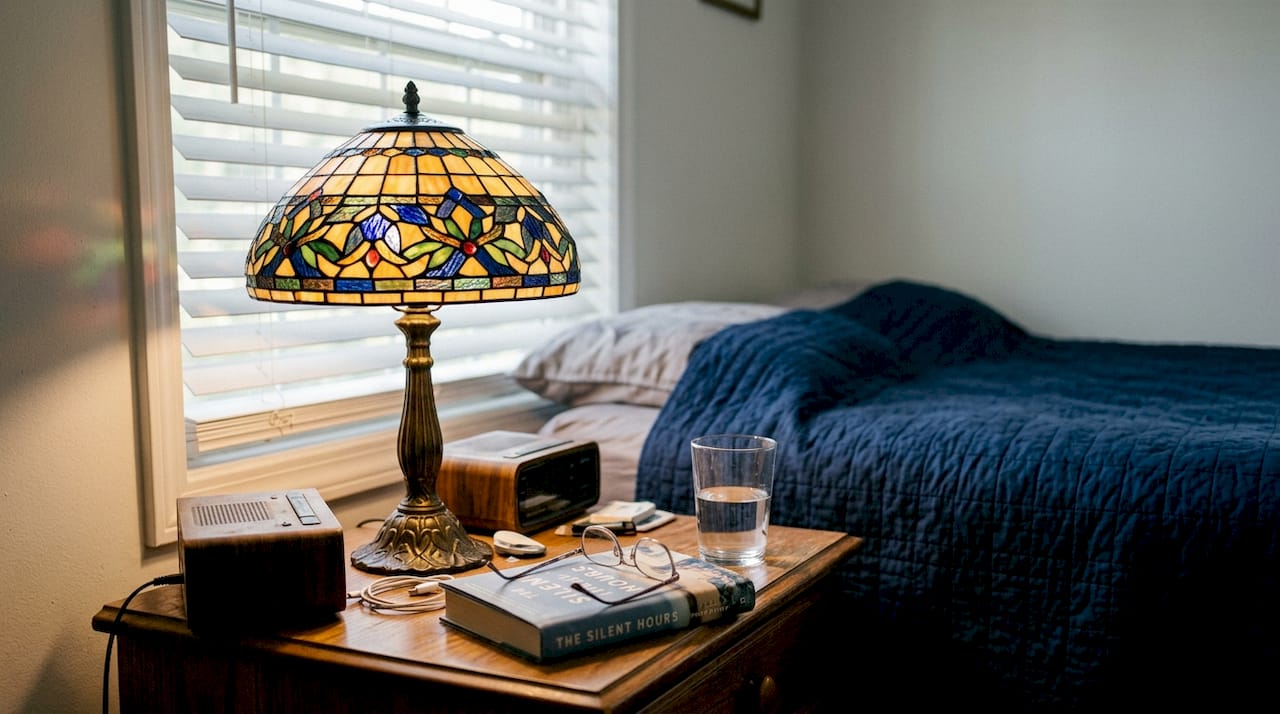
For a bedroom, a stained glass lamp on the nightstand adds color and warmth without cluttering the space. For a coffee table, try pairing a modern glass vase with a stack of books and a small tray.
Pro Tip: Always group accent pieces in odd numbers. Three objects feel natural and balanced. Two can look too symmetrical. Four starts to feel crowded. The Rule of Three is your best friend when styling any surface.
Maximizing personality without clutter: The 80/20 budget rule and style balance
Once you know the rules, the next step is finding the right balance between style and practicality, and your budget. The 80/20 rule is your financial compass here.
Accent pieces represent only 15 to 20% of decorating budgets yet deliver 70% of a room’s personality. That means you should invest 80% of your budget in anchor pieces (sofa, bed, dining table) and reserve 20% for accents. Within that 20%, prioritize quality over quantity.
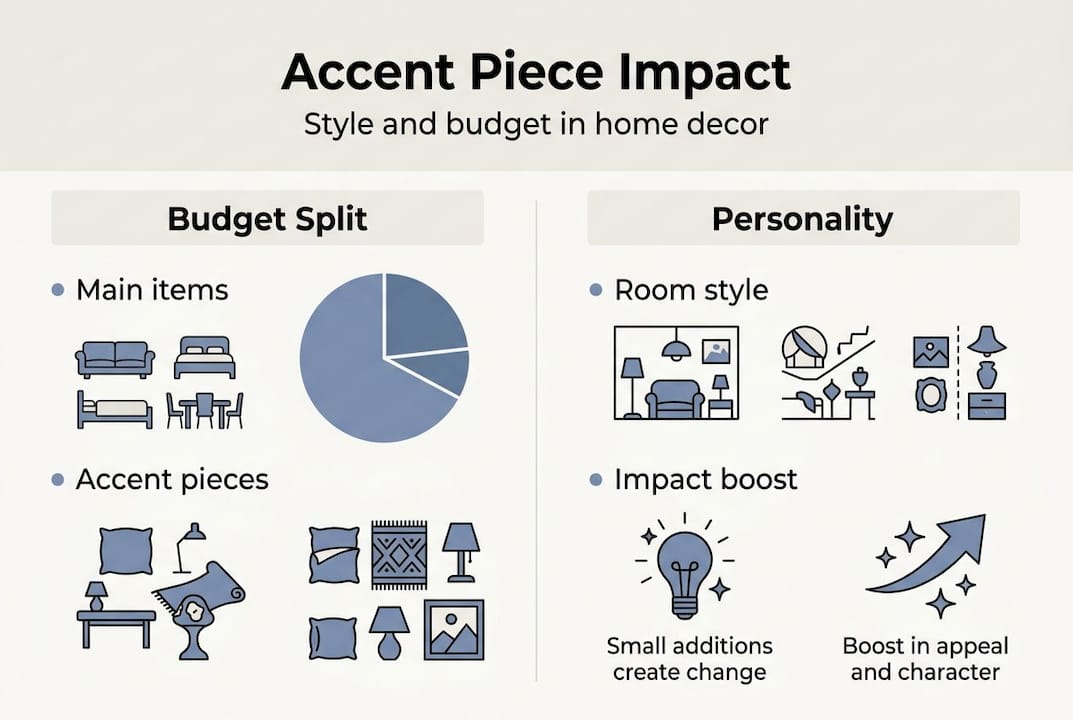
| Budget allocation | Item type | Visual impact |
|---|---|---|
| 80% | Anchor pieces (sofa, bed, table) | Foundation and structure |
| 15% | Quality accent pieces | Personality and mood |
| 5% | Trendy or seasonal accents | Freshness and variety |
Over-decorating is one of the most common mistakes. Watch out for these warning signs:
- Too many competing focal points pulling the eye in every direction
- Mismatched styles that create visual noise instead of harmony
- Surfaces so full that nothing stands out
- Trendy pieces that date quickly and feel disconnected from your style
The good news is that 80% of Americans prioritize value and durability over trends when buying home items. That instinct is right. One beautiful, well-made accent piece will outlast a shelf full of cheap trend-chasers.
Minimalism and maximalism both work, but they require different strategies. In a minimalist space, one bold statement piece per room is enough. In a maximalist space, the goal is curated layering, not random accumulation. Every piece should earn its spot by adding something the others don’t.
Pro Tip: Rotate a small selection of accent pieces seasonally. Swap out glass candlestick accents for warmer tones in fall and winter, and bring in lighter, brighter pieces in spring. It refreshes your space without spending a lot.
Choosing unique accent pieces for individuality and gifting
Once you’ve planned your colors and budget, it’s time to make your space or your gift stand out with truly unique accent pieces. This is where decorating gets personal and genuinely fun.
A unique accent piece isn’t just unusual. It has a story. It might be handcrafted by an artisan, sourced from a specific region, made with a rare technique, or simply unlike anything mass-produced. These qualities are what give a room its soul and what make a gift feel truly thoughtful.
Here are some great picks by room and occasion:
- Entryway: A sculptural bowl or tray for keys and small items, something with texture and color
- Living room: A statement vase, a pair of candleholders, or an art object on the coffee table
- Bedroom: A touch lamp with artistic design, a small ceramic figure, or a decorative box
- Kitchen: A handblown glass vessel or a colorful ceramic bowl used as a fruit display
- As a gift: Signed KOSTA BODA vases or an Art Deco touch lamp for someone who appreciates artistry
The best accent pieces do double duty. A beautiful tray organizes a vanity and looks stunning. A sculptural lamp lights a room and serves as art. When shopping, ask yourself: does this piece work hard or just sit there?
For gifting, statement lamps, vases, and trays make ideal one-of-a-kind gifts because they’re personal without being too personal. They say “I thought about your taste” without requiring you to know someone’s exact color scheme.
Pro Tip: When gifting, shop with the recipient’s lifestyle in mind, not just their style. A busy parent might love a beautiful tray that keeps things organized. A design lover might treasure a signed art glass piece. Context matters as much as aesthetics.
If you’re drawn to minimalist Japanese-inspired furniture tips and clean lines, look for accent pieces with simple forms and rich materials like hand-blown glass or unglazed ceramic. They add interest without breaking the visual calm.
What most people miss about accent pieces in home decor
Here’s a perspective you won’t find in most decorating articles. The biggest mistake people make with accent pieces isn’t choosing the wrong color or the wrong size. It’s shopping without intention.
Most homes either over-match (every piece coordinates perfectly and the room feels like a showroom) or randomly accumulate (interesting pieces that have no relationship to each other or the space). Neither approach creates a room that feels genuinely lived-in and personal.
The homes that stand out do something different. They use restraint and storytelling. Each accent piece was chosen because it means something, fits a specific role, or adds a quality the room was missing. Even bold statement choices in maximalist spaces are curated, not just collected.
“The most memorable rooms aren’t the most decorated. They’re the most considered.”
Less is almost always more, even in maximalism. The goal isn’t quantity. It’s a curated story told through objects. Before adding anything new, ask: what is this piece adding that isn’t already here? If you can’t answer that clearly, it probably doesn’t belong. A single set of unexpected vase choices chosen with purpose will do more for your room than ten safe, forgettable ones.
Curate your space with unique accent pieces from My House by Marine
If this guide has you ready to refresh your space or find a truly special gift, we’d love to help you take that next step.
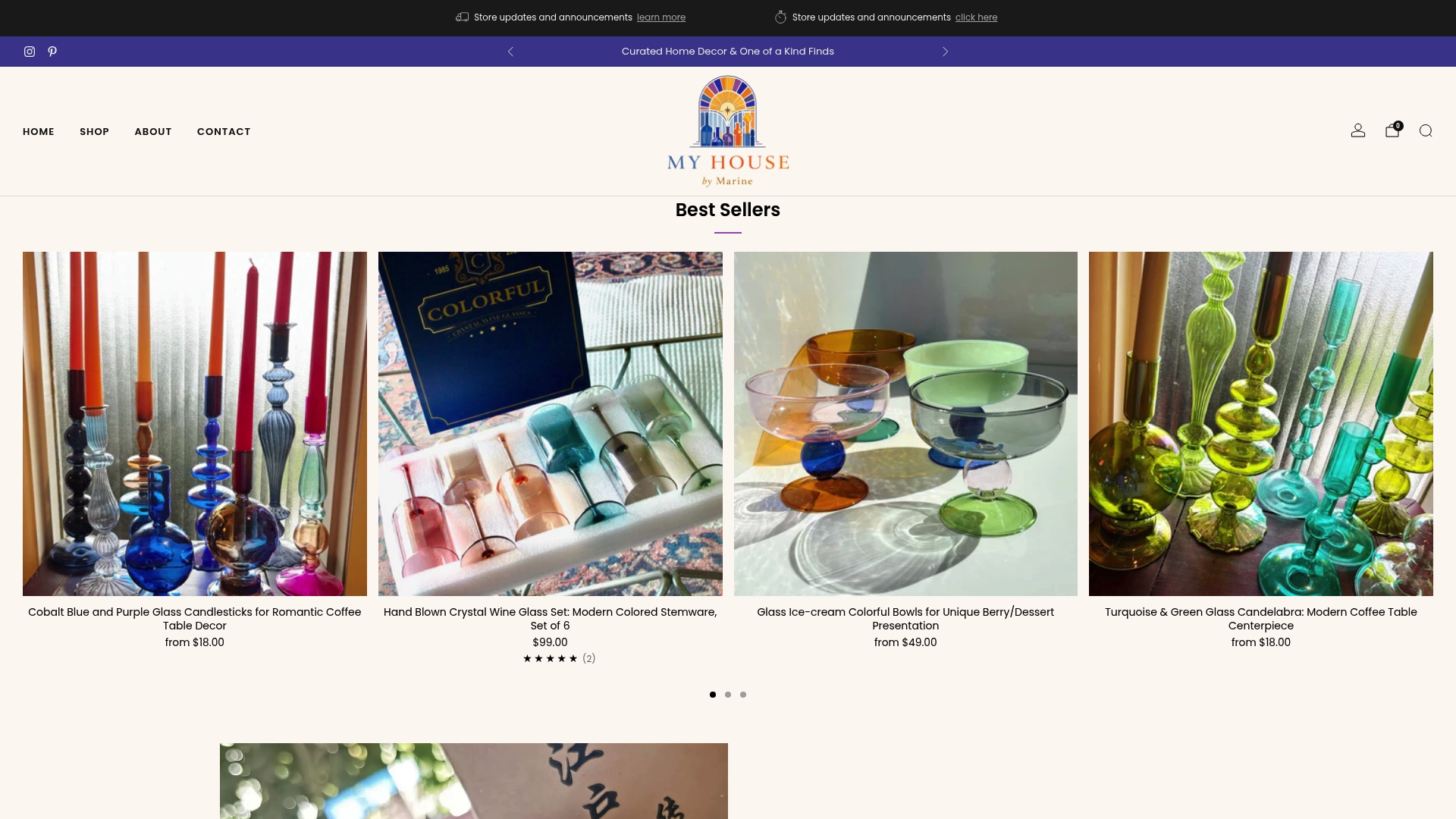
At My House by Marine, we curate one-of-a-kind handmade and artisan accent pieces that you simply won’t find in big-box stores. From a stunning vintage cloisonne box that adds instant intrigue to any shelf, to beautifully curated gift sets for decor lovers that make gifting effortless, every item in our shop has been chosen with intention. Whether you’re styling your own home or shopping for someone who loves beautiful things, you’ll find pieces here that tell a story and start a conversation.
Frequently asked questions
How do I know if an accent piece is too bold for my space?
If the accent piece visually dominates the room or clashes with main colors, it’s likely too bold. Choose items that attract attention without overwhelming the overall feel of the room.
What are the best accent pieces for small rooms?
In small rooms, go for vertical or multifunctional pieces that maximize impact without crowding the space. A tall vase or a wall-mounted art piece works better than several small objects spread across surfaces.
How many accent pieces should I use in one room?
Stick to one main bold accent piece per room. Smaller, complementary accents can layer in if they follow the design rules for balance and don’t compete for attention.
What’s more important: style or durability in accent pieces?
80% of Americans prioritize value and durability over trends, and that’s a smart approach. The best accent pieces balance both, offering lasting quality in a style that feels timeless rather than trend-dependent.
Recommended
- Blog – My House by Marine
- How to Create a Signature Home Style | My House By Marine – My House by Marine
- How to Style Coffee Tables, Consoles, and Shelves Like a Designer – My House by Marine
- How to Curate a Home That Feels Collected, Not Decorated – My House by Marine
- Statement Art Piece: Transforming Interior Spaces
- What Are Southwest Home Accents? Ideas, Examples & Styling Guide – Arizona Swag

