

Making your home feel genuinely you is harder than it looks. Walk into any big-box store and you’ll find the same mass-produced vases, the same generic prints, the same cookie-cutter shelving. The result? Millions of living rooms that look almost identical. But here’s the good news: with a clear plan, the right handmade pieces, and a few smart styling rules, you can transform any space into something that feels personal, alive, and worth talking about. This guide walks you through every step, from assessing your space to verifying your finished look, so you can decorate with real confidence.
Table of Contents
- Prepare for a unique decor transformation
- Step-by-step: Integrating handmade and artful objects
- Troubleshooting common decor mistakes
- Verify your results: Enjoy your living gallery
- What most guides overlook: Real artistry versus trendy decor
- Discover unique decor and gift solutions
- Frequently asked questions
Key Takeaways
| Point | Details |
|---|---|
| Preparation matters | Assessing your space and style is critical before picking unique decor items. |
| Artful integration | Combining handmade and contemporary pieces creates authenticity and visual interest. |
| Avoid common pitfalls | Spacing, color harmony, and balanced placement prevent decor mistakes. |
| Enjoy your living gallery | Distinctive decor choices help your home reflect your personality and spark conversation. |
Prepare for a unique decor transformation
Having set the stage with why uniqueness matters, let’s begin by preparing your space and identifying what sets your style apart.
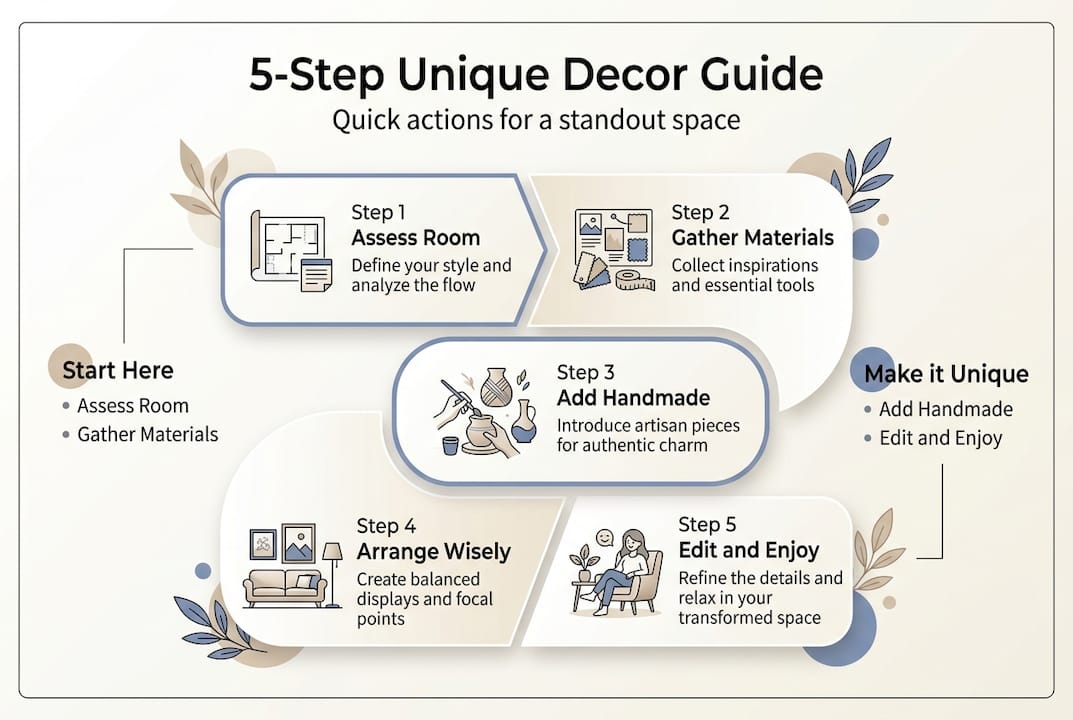
Before you buy a single item, take a good look at your room. Walk in as if you’re a guest seeing it for the first time. Where does your eye land first? That spot is your focal point, and it’s where your strongest piece should go. It might be a fireplace wall, a large window, or simply the wall behind your sofa.
Next, pin down your style. Knowing your direction makes every purchase decision easier. Here are the four most common styles homeowners gravitate toward:
- Modern: Clean lines, neutral palettes, minimal clutter
- Eclectic: A curated mix of eras, textures, and origins
- Vintage: Warm tones, worn finishes, nostalgic objects
- Artisan: Handcrafted, tactile, one-of-a-kind pieces with visible maker’s marks
Once you know your style, gather your materials. You don’t need a huge budget. You need intention.
| Item | Purpose | Where to source |
|---|---|---|
| Handwoven wall art | Texture and focal point | Artisan markets, online shops |
| Ceramic objects | Color and sculptural interest | Independent makers, gift shops |
| Natural fiber textiles | Warmth and layering | Local weavers, specialty stores |
| Glassware | Light play and elegance | Contemporary luxury collections |
| Wooden trays or boxes | Organization with style | Handmade decor boutiques |
The handmade category is genuinely booming right now. Etsy reported a 380% increase in searches for handwoven wall art in Q1 2026 alone. That surge tells you something important: people are actively rejecting generic decor and seeking pieces with real character.
Browsing a distinctive home decor collection is a great starting point for spotting what resonates with you before you commit to a full room concept.
Pro Tip: Take photos of your room from multiple angles before shopping. Reviewing them on your phone gives you a more objective view of what’s missing and what’s already working.
Step-by-step: Integrating handmade and artful objects
Now that you’ve gathered inspiration and materials, let’s execute the transformation with actionable steps for infusing your space with artful uniqueness.
Think of this process like cooking with a recipe. You have your ingredients ready. Now it’s about combining them in the right order and proportion.
- Anchor with your largest piece first. Place your statement item, whether it’s a large woven wall hanging or a bold ceramic sculpture, at your focal point. Everything else builds around it.
- Layer in texture and color. Introduce smaller objects that complement your anchor piece. A hand-painted ceramic box on a shelf adds both color and craftsmanship without competing for attention.
- Vary your heights. Group objects at different levels. Tall colorful vases next to low, flat objects create visual rhythm and keep the eye moving.
- Add functional art. Pieces that are both beautiful and useful earn their place. Modern ceramic serving trays look stunning on a coffee table while still being practical.
- Step back and evaluate. After placing each piece, stand at the room’s entrance and assess. Does it feel balanced? Is there a clear visual story?
When it comes to wall art specifically, coverage matters more than most people realize. Optimal wall coverage sits at 60 to 75% of the wall surface for strong visual impact without feeling overwhelming.
| Placement technique | Best for | Effect |
|---|---|---|
| Gallery wall | Multiple smaller pieces | Layered, personal, storytelling |
| Single statement piece | Bold, large-format art | Dramatic, focused, modern |
| Ledge display | Rotating seasonal items | Flexible, casual, easy to refresh |
| Corner vignette | 3D objects and plants | Cozy, intimate, dimensional |
Pro Tip: Use the “odd number rule.” Groups of three or five objects almost always look more natural and interesting than even-numbered groupings.
Troubleshooting common decor mistakes
After executing your vision, you’ll want to ensure your efforts avoid the usual mistakes that can hinder unique decor.
Even the most carefully chosen pieces can fall flat if a few basic rules are ignored. Here are the most common mistakes and how to fix them:
- Overcrowding: Too many objects fight for attention. Leave breathing room between pieces. Empty space is not wasted space. It’s what lets individual items shine.
- Mismatched styles without intention: Mixing styles can be brilliant when it’s deliberate. But randomly combining very different aesthetics creates visual noise. Pick two complementary styles and stick to them.
- Ignoring lighting: Natural and artificial light change how colors and textures read. A piece that looks warm and inviting in daylight can look flat under cool overhead bulbs. Test your decor under the lighting you actually use.
- Neglecting scale: A tiny picture on a large wall looks lost. A massive sculpture in a small corner feels suffocating. Match the scale of your objects to the scale of your space.
- Forgetting function: Beautiful spaces still need to be livable. Don’t sacrifice usability for aesthetics.
“The most successful rooms feel curated, not decorated. Every object has a reason to be there.”
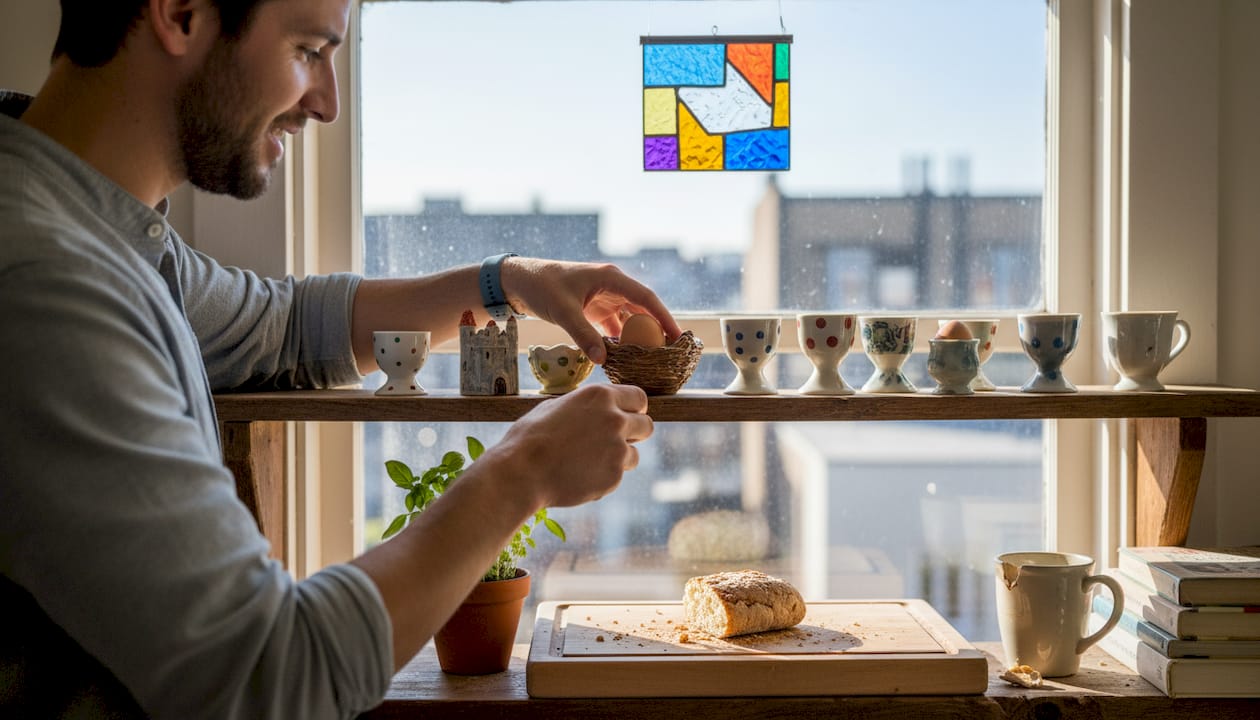
Adding eclectic porcelain egg cups to a kitchen shelf or hanging whimsical suncatchers near a window are small moves that solve the “something’s missing” feeling without overwhelming a space.
Choosing sustainable pieces is also a smart long-term strategy. The sustainable decor market is projected to grow from $388.7 billion in 2024 to $663.9 billion by 2034. Buying handmade and sustainably sourced items means your decor choices age well, both stylistically and ethically.
Pro Tip: When in doubt, remove one item. Edited spaces almost always look more intentional and polished than fully loaded ones.
Verify your results: Enjoy your living gallery
Once you’ve solved common mistakes, it’s time to reflect and validate that your home truly embodies the unique character you envisioned.
You’ve placed your pieces, stepped back, and made adjustments. Now it’s time to do a final walkthrough using this simple checklist:
- Visual harmony: Do the colors, textures, and shapes feel connected? You don’t need everything to match, but there should be a thread that ties the room together.
- Usability: Can you live comfortably in the space? Are pathways clear? Are functional items still accessible?
- Uniqueness: Does the room reflect you specifically? If a stranger walked in, would they get a sense of your personality and taste?
- Conversation starters: Are there at least two or three pieces that would prompt a guest to ask, “Where did you get that?”
- Lighting check: Walk through the space at different times of day and in the evening with lamps on. Make sure your favorite pieces look their best in all conditions.
A well-placed modern glass centerpiece on a coffee table, for example, catches light beautifully at every hour and becomes a natural focal point that guests gravitate toward.
The idea of the home as a living gallery is more than a metaphor. It’s a real shift in how people think about their spaces. Your home doesn’t have to look like a showroom. It should look like a place where someone interesting lives.
And don’t forget: unique decor makes exceptional gifts. Sharing a handmade piece with someone whose home you admire is one of the most personal, thoughtful gestures you can make.
What most guides overlook: Real artistry versus trendy decor
Validating your results is the foundation. But there’s a deeper layer most guides miss entirely.
Here’s something we’ve noticed after years of curating handmade and artisan objects: the most beautiful homes we’ve ever seen have almost nothing to do with trends. They’re filled with pieces that have a story, a maker, a reason for existing beyond filling a shelf.
Trending decor styles cycle fast. What feels fresh in early 2026 can feel dated by late 2027. But a hand-thrown ceramic bowl made by a craftsperson in a small studio? That piece has soul. It doesn’t expire.
The real mistake isn’t buying the wrong color or the wrong size. It’s buying pieces that don’t mean anything to you. When you choose objects with genuine artistry and unique decor insights behind them, your space develops an identity that no trend cycle can touch. Seek pieces with a story. Your home will thank you for it.
Discover unique decor and gift solutions
With our fresh perspective in mind, here’s how you can bring distinctive handmade decor into your living space or find perfect gifts.
If this guide has sparked some ideas, we’d love to help you bring them to life. Our unique home decor collection features one-of-a-kind handmade pieces, from sculptural ceramics to contemporary luxury glassware, all chosen for their artistry and staying power.
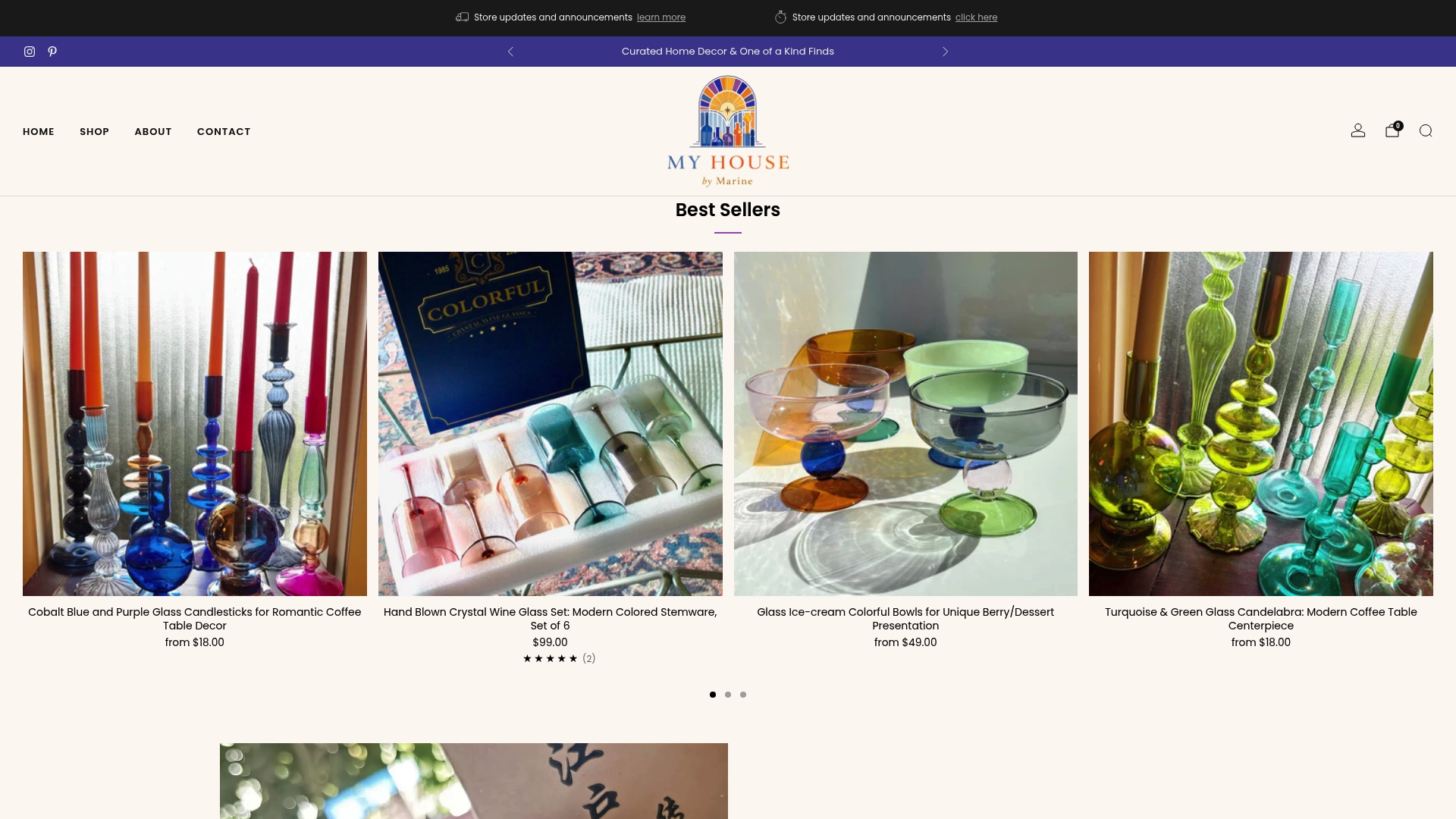
Looking for a gift that actually surprises someone? Browse our decor gift sets for curated combinations that feel personal and considered. Or start small with something like our artful ceramic box, a beautiful, handmade piece that works as both decor and a meaningful gift. Every item in our shop is chosen because it has something to say.
Frequently asked questions
What makes decor items truly unique versus mass-produced?
Unique decor features original design, artisan craftsmanship, and limited production, which ensures individual expression in your home. As the craft renaissance shows, handmade elements turn spaces into living galleries rather than catalog replicas.
How do I integrate sustainable decor into my home?
Choose locally crafted items, recycled materials, and artisan-made pieces to support both sustainability and unique style. The sustainable decor market growth from $388.7 billion to a projected $663.9 billion by 2034 reflects how mainstream this shift has become.
How much wall art should I include for visual impact?
Research recommends covering 60 to 75% of a wall with art for optimal effect and balanced visual interest without making the space feel cluttered.
What are common mistakes when styling unique decor?
Overcrowding, mismatched color schemes, and neglecting scale are the most frequent errors. Simple guidelines like the odd number rule and leaving intentional negative space can prevent these issues, as living gallery principles suggest.
Recommended
- Blog – My House by Marine
- Unique Home Decor Pieces & Interior Accents | My House by Marine
- How to Create a Signature Home Style | My House By Marine – My House by Marine
- How to Curate a Home That Feels Collected, Not Decorated – My House by Marine
- Why Decorate With Art: Transforming Modern Luxury Spaces

